
Understanding Emotional Development in School-Age Children
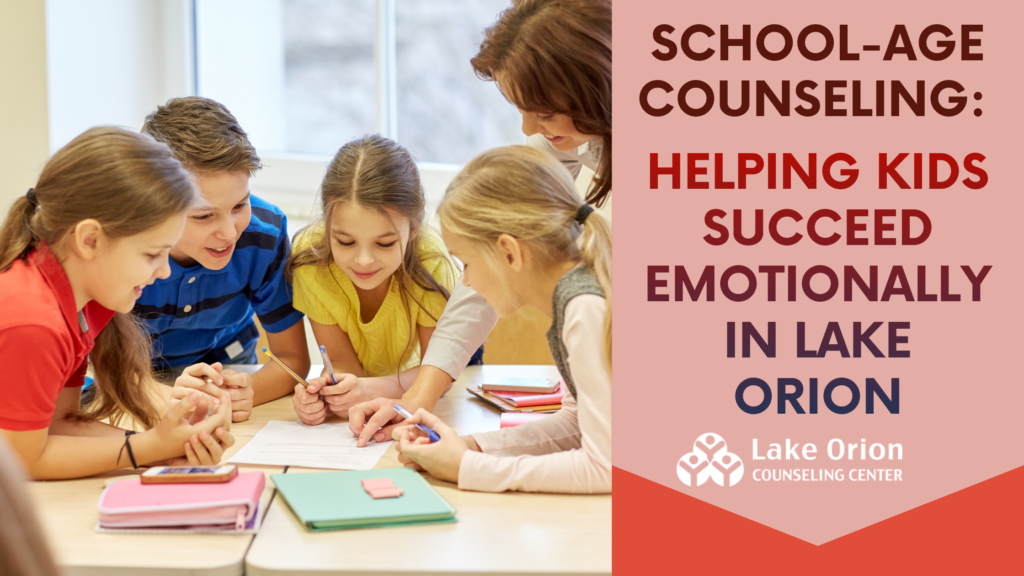
What “School-Age” Really Means
School-age children—generally between ages 5 and 12—are learning far more than reading and math. These years are critical for emotional development, social skills, and self-regulation. Kids are figuring out who they are, how they feel, and how to manage big emotions in a growing world.
Emotional Milestones Between Ages 5–12
During this stage, children learn empathy, frustration tolerance, emotional expression, and problem-solving. When these skills lag or feel overwhelming, counseling can help bridge the gap.
Why Emotional Health Matters for Academic Success
The Link Between Emotions and Learning
Emotional wellbeing directly impacts attention, memory, and motivation. A child who feels anxious, overwhelmed, or emotionally dysregulated often struggles academically—not because they can’t learn, but because their emotional system is overloaded.
When Emotions Interfere with School Performance
Frequent meltdowns, school refusal, perfectionism, or test anxiety are common signs that emotions are interfering with learning.
Common Challenges Faced by School-Age Children
Anxiety and Worry
Many children experience anxiety related to school, friendships, performance, or routines.
Behavioral and Emotional Regulation Issues
Difficulty managing frustration, anger, or impulsivity can show up as behavioral challenges.
Social Skills and Peer Relationships
Navigating friendships, conflict, and peer pressure is a big emotional task for kids.
Signs Your Child May Benefit from Counseling
Emotional Warning Signs
Frequent sadness, irritability, excessive worry, or emotional shutdown may signal a need for support.
Behavioral Changes
At Home
Increased tantrums, defiance, or withdrawal can indicate emotional stress.
At School
Teacher concerns, declining grades, or social difficulties are often early indicators.
What Is School-Age Counseling?
Counseling Tailored to Children
School-age counseling is designed specifically for children’s developmental needs. Therapists use age-appropriate language, activities, and tools to help kids express themselves.
Play, Talk, and Skill-Based Approaches
Counseling often blends play, conversation, and structured skill-building to support emotional growth.
School-Age Counseling in Lake Orion
Local Support for Local Families
Lake Orion counselors understand the school systems, community culture, and pressures children face locally.
The Benefits of In-Person Child Counseling
In-person sessions provide a safe, engaging space where kids feel comfortable exploring emotions.
What Happens in a Child’s First Counseling Session
Intake and Parent Involvement
Parents typically meet with the therapist first to share concerns and goals.
Building Trust with the Child
Early sessions focus on rapport and comfort—not pressure.
Creating Emotional Safety
A sense of safety allows children to open up at their own pace.
Common Approaches Used in School-Age Counseling
Play Therapy
Play allows children to express feelings they may not yet have words for.
Cognitive Behavioral Therapy (CBT) for Kids
CBT helps kids recognize thought-feeling-behavior connections.
Emotional Regulation and Coping Skills
Children learn calming strategies, flexibility, and self-soothing techniques.
Trauma-Informed Care
For children with difficult experiences, therapy emphasizes safety and trust.
Counseling for School-Related Stress
Academic Pressure and Performance Anxiety
Counseling helps children manage test anxiety and perfectionism.
School Transitions and Changes
New schools, grades, or teachers can be emotionally challenging.
Attention and Focus Challenges
Therapy supports emotional regulation that improves focus.
Helping Children Build Emotional Skills
Identifying and Naming Feelings
Emotional literacy is the foundation of self-regulation.
Problem-Solving and Flexibility
Kids learn to handle challenges without emotional overload.
Confidence and Self-Esteem
Counseling reinforces strengths and self-belief.
How Parents Are Involved in School-Age Counseling
Parent Check-Ins and Guidance
Parents receive updates, strategies, and support.
Supporting Progress at Home
Consistency between home and therapy accelerates growth.
How Long Does School-Age Counseling Take?
Short-Term Support vs Ongoing Counseling
Some children benefit from brief intervention; others need longer support.
Measuring Emotional Growth Over Time
Progress shows up as improved behavior, communication, and confidence.
School-Age Counseling for Different Situations
Anxiety and Emotional Sensitivity
Counseling helps sensitive children feel safe and capable.
Behavioral Challenges
Therapy addresses emotional roots—not just behaviors.
Family Changes or Transitions
Divorce, loss, or relocation can deeply impact kids.
Common Myths About Child Counseling
“My Child Will Grow Out of It”
Some challenges fade—but many benefit from early support.
“Counseling Is Only for Serious Problems”
Counseling supports growth, not just crisis intervention.
Finding the Right School-Age Counselor in Lake Orion
Credentials and Child-Specific Training
Look for licensed professionals experienced with children.
Personality Fit and Comfort
Children thrive when they feel safe and understood.
Questions to Ask Before Scheduling
Ask about approach, parent involvement, and goals.
Conclusion
Supporting Emotional Success from an Early Age
School-age counseling in Lake Orion helps children build emotional skills that support learning, relationships, and confidence. When kids feel understood and supported, they don’t just cope—they thrive.
FAQs
1. What ages does school-age counseling support?
Typically children ages 5–12.
2. Will my child be labeled or diagnosed?
Not necessarily—counseling focuses on skills and support.
3. How involved are parents in sessions?
Parents are involved through check-ins and guidance.
4. How soon will we see progress?
Many families notice small improvements within weeks.
5. Can counseling help with school behavior issues?
Yes—emotional support often improves behavior naturally.