
Understanding Anxiety
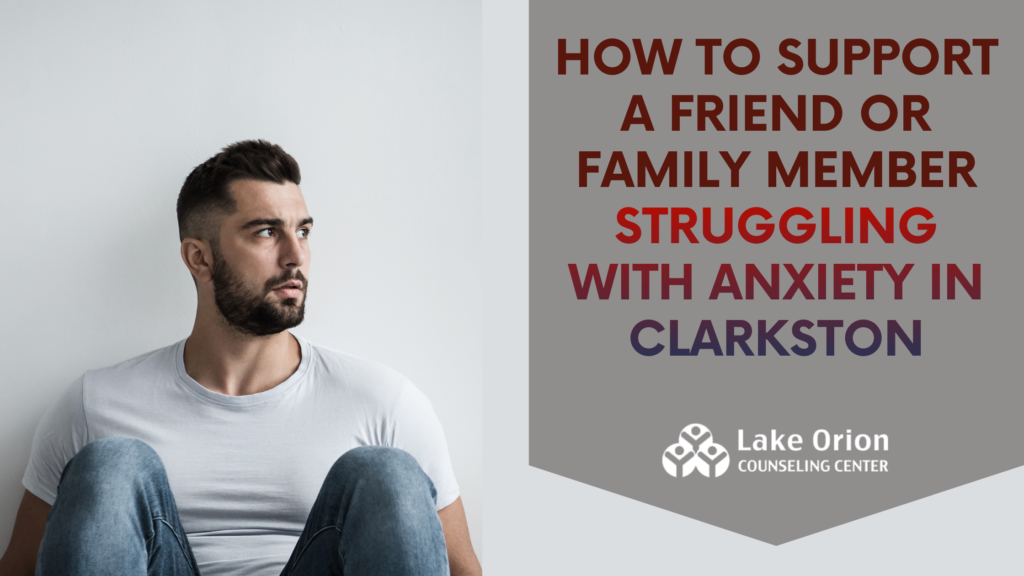
What Anxiety Really Is
Anxiety isn’t just worry—it’s a full-body response to perceived danger, even when no real threat is present. It can feel overwhelming, exhausting, and unpredictable for the person experiencing it.
How Anxiety Can Show Up Differently for Everyone
Some people become quiet and withdrawn. Others appear restless, irritable, or overly busy. Anxiety doesn’t look the same for everyone, which is why understanding matters.
Why Support Matters More Than You Think
Anxiety Thrives in Isolation
Anxiety often convinces people they’re a burden or that no one understands. Support breaks that isolation.
The Power of Feeling Understood
Being believed and validated can calm the nervous system more than advice ever could.
Common Signs Someone May Be Struggling with Anxiety
Emotional and Mental Signs
Excessive worry, overthinking, irritability, and difficulty concentrating are common.
Physical Symptoms of Anxiety
Sleep and Energy Changes
Trouble sleeping, fatigue, or constant tension can signal anxiety.
Tension, Restlessness, and Avoidance
Muscle tightness, pacing, or avoiding certain situations are often anxiety-driven.
What Not to Say to Someone with Anxiety
Why “Just Calm Down” Doesn’t Help
Anxiety isn’t a choice. Telling someone to calm down often increases shame and frustration.
Avoiding Minimizing or Dismissing Language
Phrases like “It’s not that bad” or “You’re overreacting” can shut people down.
What to Say Instead
Supportive and Validating Phrases
Try:
- “That sounds really hard.”
- “I’m here with you.”
- “You’re not alone in this.”
Listening Without Trying to Fix
Sometimes the most helpful thing is listening without offering solutions.
How to Offer Practical Support
Helping Without Taking Over
Offer help, but respect their independence. Ask what would be helpful.
Encouraging Healthy Coping Strategies
Gentle reminders about breathing, movement, or breaks can help.
Being a Steady Presence
Consistency builds trust and safety.
Supporting Someone During an Anxiety Spike or Panic Attack
Staying Calm Yourself
Your calm presence can help regulate their nervous system.
Grounding Techniques You Can Use Together
Slow breathing, naming objects in the room, or gentle reassurance can help.
Knowing When to Give Space
Some people need quiet support rather than conversation.
Encouraging Professional Help—Gently
How to Bring Up Therapy
Frame therapy as support, not a last resort.
Reducing Fear Around Counseling
Normalize counseling as a tool—not a sign of weakness.
Offering Help with Logistics
Helping find a therapist or schedule an appointment can reduce overwhelm.
Supporting a Child or Teen with Anxiety
Age-Appropriate Conversations
Use language that matches their developmental level.
Modeling Healthy Coping
Kids learn by watching how adults manage stress.
Working with Schools and Counselors
Collaboration provides consistent support.
Supporting a Partner with Anxiety
Balancing Support and Boundaries
Support doesn’t mean sacrificing your own needs.
Communicating Needs as a Couple
Open conversations strengthen relationships.
Supporting an Older Adult with Anxiety
Anxiety and Life Transitions
Health changes, loss, and isolation can increase anxiety later in life.
Reducing Stigma Around Mental Health
Gentle conversations can help normalize seeking support.
Taking Care of Yourself While Supporting Someone Else
Avoiding Burnout
Supporting someone with anxiety can be emotionally taxing.
Setting Healthy Boundaries
Boundaries protect both you and the relationship.
Knowing You Can’t Fix Everything
Support doesn’t mean solving the problem—it means walking alongside them.
Anxiety Support Resources in Clarkston
Local Counseling Options
Clarkston offers access to licensed therapists experienced in anxiety treatment.
Community and Wellness Resources
Support groups, wellness classes, and community programs can help.
Common Myths About Anxiety Support
“Talking About It Makes It Worse”
Talking about anxiety often reduces its intensity.
“Strong People Don’t Have Anxiety”
Anxiety affects people of all strengths and backgrounds.
Conclusion
Being Supportive Without Losing Yourself
Supporting someone with anxiety in Clarkston is about compassion, patience, and balance. You don’t need perfect words or solutions—just presence, understanding, and care. When support is grounded in empathy, healing becomes possible for everyone involved.
FAQs
1. Can I make someone’s anxiety worse by talking about it?
No—respectful, supportive conversations usually help.
2. What if they refuse professional help?
You can encourage help, but you can’t force readiness.
3. How do I know when to step back?
If you feel overwhelmed or burned out, it’s time to reassess boundaries.
4. Should I attend therapy sessions with them?
Sometimes joint sessions help, but it depends on the situation.
5. Is anxiety common?
Yes—anxiety is one of the most common mental health challenges.